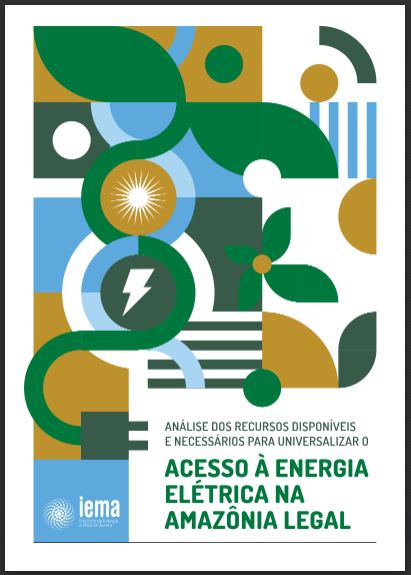
The study “Public policies and experiences in energy access: from the international agenda to community-based solutions in the Pan-Amazon” analyzes the challenges of universalizing access to electricity across territories in the nine countries that share the Amazon biome — Brazil, Bolivia, Colombia, Ecuador, Guyana, Peru, Suriname, Venezuela, and French Guiana — especially among traditional communities such as Indigenous peoples, quilombola communities, riverside populations, and extractivist groups. The publication shows that, despite advances in electrification rates across Latin America, nearly five million people in the region still live without access to electricity.
The report brings together analyses of public policies, a review of scientific literature, and assessments of renewable energy pilot projects, highlighting the positive impacts of decentralized solutions — such as solar systems and microgrids — in improving access to essential services, reducing diesel use, and strengthening local productive activities. As recommendations, the document advocates for stronger permanent public policies, stable financing, community participation, and the promotion of a just energy transition aligned with social inclusion, the valorization of Amazonian territories, and sustainable development.