One Amazon, nine countries, and a shared challenge: universal access to public, renewable, and reliable electricity services. Despite global progress, with electricity coverage increasing from 84% in 2010 to 91.7% in 2023, around 666 million people worldwide still lack access to electricity — approximately 5 million of them in the Pan-Amazon region.
These findings are part of the new technical-scientific study “Public Policies and Energy Access Experiences: From the International Agenda to Community-Based Solutions in the Pan-Amazon”, developed by the Instituto de Energia e Meio Ambiente (IEMA). The study analyzes global public policy initiatives aimed at expanding access to electricity, particularly in developing countries, in order to identify challenges and opportunities for increasing access to renewable electricity in Indigenous, Quilombola, riverine, and extractivist communities across the Pan-Amazon.
The document (available in Portuguese, Spanish, and English) is based on extensive bibliographic research and article analysis, providing a systematization of experiences in six Pan-Amazon countries that benefited 223 communities and more than 70,000 people, directly and indirectly. The study brings together public policy initiatives and projects supported by the Charles Stewart Mott Foundation over the past decade.
The results point to significant social gains. In some Indigenous territories, there was a reduction of up to 50 hours of manual labor per week. In productive activities, average household income increased by US$361 per month.
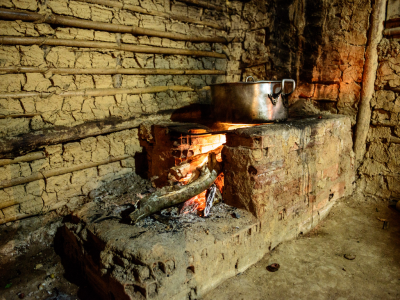
From an environmental perspective, the projects contributed to reducing fossil fuel use: 99.7% of the communities reduced diesel consumption, and 32% stopped using diesel entirely.
The research compiles data from different Amazonian countries to better understand the structural barriers to universal electricity access in remote regions. It identifies geographic isolation, low population density, high infrastructure costs, and dependence on fossil fuels as some of the main obstacles to bringing energy services to these communities.
The document covers six of the nine South American countries sharing the Amazon biome: Brazil, Peru, Colombia, Bolivia, Suriname, and Ecuador. In addition, by analyzing international public policies and electrification experiences, it also considers initiatives in other South American countries, such as Argentina, Chile, and Venezuela — alongside Colombia, Ecuador, and Peru, which are already part of the Pan-Amazon — broadening the regional comparison of public policy models for electricity access.

Photo: Tauan Alencar/MME
Brazil: Revealing the Reality Behind the Numbers
According to data from the Brazilian Institute of Geography and Statistics (IBGE), access to electricity in Brazil has reached the historic mark of 99.8% of households.
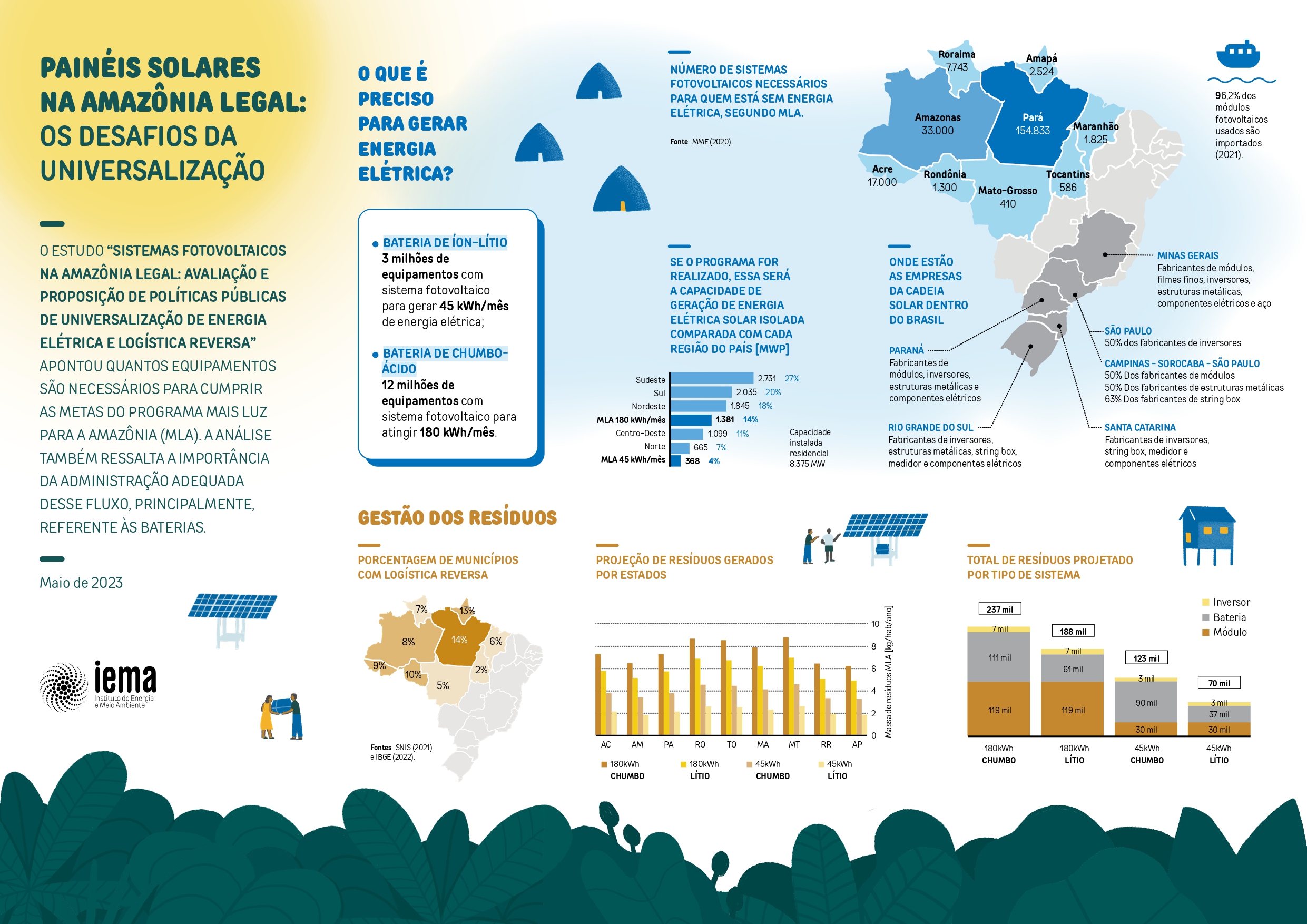
“Even with near-formal universalization, the country still faces an invisible form of exclusion, concentrated in territories where access to electricity depends less on conventional infrastructure and more on decentralized solutions and targeted public policies,” says Vinicius Oliveira, researcher at IEMA and one of the study’s authors.
Brazil has one of the lowest rates of electricity exclusion in the Pan-Amazon region, ranging between 0.2% and 0.4%. Even so, in absolute numbers, the country remains among those with the largest populations without electricity access, reflecting its large population size. This shows that although universalization appears close statistically, significant pockets of energy exclusion persist.
According to the report, this exclusion is concentrated mainly in rural and remote areas, especially isolated Amazonian communities and among Indigenous peoples and traditional populations.
The country’s main challenges include the difficulty of expanding the conventional electricity grid in the Amazon, the historical dependence on isolated diesel-based systems and other fossil fuels, the lack of more precise data on populations still without access, and the limitations of public policies targeting remote regions.
These factors highlight the need for tailored and context-specific solutions in order to effectively achieve universal access to energy.
Solutions for Territories and Recommendations
The study highlights challenges related to the financial sustainability of projects, system operation and maintenance, and increasing women’s participation in technical roles.
The research also analyzes rural electrification programs in countries such as Brazil, Colombia, Peru, and Ecuador, emphasizing the importance of models that combine regulation, financing, and tariff subsidies to serve isolated populations.
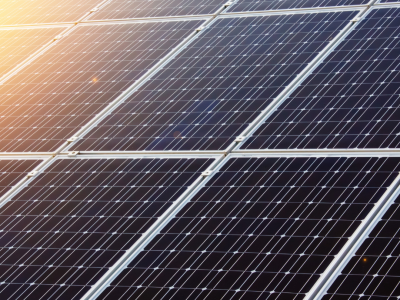
Based on the evidence gathered, the study argues that electricity access must be consolidated as a state policy, with institutional continuity, clearly defined targets, and regulatory predictability. Proposed measures include expanding the use of photovoltaic microgrids, creating permanent financing funds, and strengthening community participation in projects. In this regard, projects associated with community management tend to show greater reliability.
The study also underscores the need to integrate energy policy with sectors such as health, education, sanitation, and productive development, thereby broadening the benefits of electricity access.
“By bringing together data from different Pan-Amazon contexts, the report contributes to improving public policies and building solutions adapted to the specificities of the region,” explains Fabio Galdino dos Santos, researcher at IEMA and co-author of the analysis.